Table of Content
[Hide]
CNC milling is a widely used manufacturing technique that involves using a computer-controlled machine to cut and shape a variety of materials. One such material that is frequently used in the manufacturing industry is flame retardant ABS.
Flame retardant ABS, also known as ABS-FR, is a type of plastic that is commonly used in applications where flame resistance is required. This material is particularly popular in the electronics industry, where it is used to make a range of components, including enclosures, covers, and brackets.
CNC milling flame retardant ABS involves using a computer-controlled machine to remove material from a block or sheet of ABS-FR to create a desired shape or form. The process is highly precise and can produce complex shapes with a high degree of accuracy.
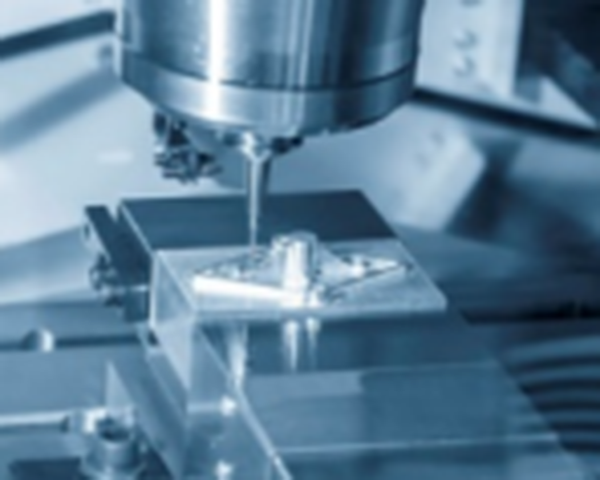
To begin the CNC milling process, the ABS-FR material is clamped securely in place on the milling machine's bed or worktable. The CNC machine is then programmed with the dimensions and shape of the part to be produced. The machine's cutting tool is then lowered onto the ABS-FR material, and the milling process begins.
The cutting tool used in CNC milling flame retardant ABS is typically a high-speed rotary cutting tool that rotates at thousands of revolutions per minute. The tool is moved along the surface of the ABS-FR material, removing small amounts of material with each pass. The cutting tool can be moved in three dimensions, allowing it to cut complex shapes and contours.
The CNC milling process is highly versatile and can be used to produce parts with a range of geometries, including flat surfaces, rounded edges, and intricate details. This makes it an ideal manufacturing technique for producing parts with complex shapes and features.
In conclusion, CNC milling flame retardant ABS is a widely used manufacturing technique that offers precise and accurate results. This process is particularly useful in the electronics industry, where flame resistance is required, and complex parts need to be produced. With its ability to produce parts with a high degree of accuracy and precision, CNC milling is a popular choice for manufacturing flame retardant ABS components.
References
PREV: No information
NEXTRipple MFG: No information
Related Prototyping Manufacturing Services News
- A Guide to CNC Prototype ManufacturingSeptember 1, 2023What is CNC Prototype Manufacturing?CNC prototype manufacturing is a type of prototype manufacturing that uses Computer Numerical Control (CNC) machines to create physical prototypes of products. CNC ...view
- What Is Precision Injection Molding?December 23, 2024Precision injection molding refers to an injection molding method where the dimensional repeatability of the molded products is very high, making it difficult to achieve the required standards using g...view
- Applications of Precise Tool and ManufacturingSeptember 14, 2024About Ripple MFG's Precision Toolings ServicesAccording to Ripple MFG's global service strategy, it is dedicated to providing precision plastic injection molding services including...view
- How Is Prototyping Used in the Automotive Industry?July 22, 2023Automotive rapid prototyping is an essential process used in the automotive industry to develop new vehicles and components. Prototyping allows designers and engineers to test and refine their ideas b...view
- Food for Thought: Custom Prototyping in Culinary InnovationNovember 23, 2023Culinary innovation is an ever-evolving field that constantly seeks to push boundaries and tantalize our taste buds with new and exciting flavors. With the rise of the food and beverage industry, chef...view
- Sculpting the Future: 4 Axis CNC Machining Suppliers for Artistic CreationsNovember 23, 2023Art and technology converge in a symphony of precision, giving rise to a new era in creative expression. As artists push the boundaries of their craft, the collaboration with cutting-edge technology b...view