Table of Content
[Hide]
Fashion is an ever-evolving industry that thrives on innovation and creativity. It is an art form that allows individuals to express their unique personalities and showcases the latest trends. In recent years, the emergence of custom rapid prototyping has revolutionized the fashion design process, allowing designers to bring their ideas to life faster than ever before. In this blog, we will explore the significance of custom rapid prototyping in fashion design and how it is speeding up style.
What is Custom Rapid Prototyping?
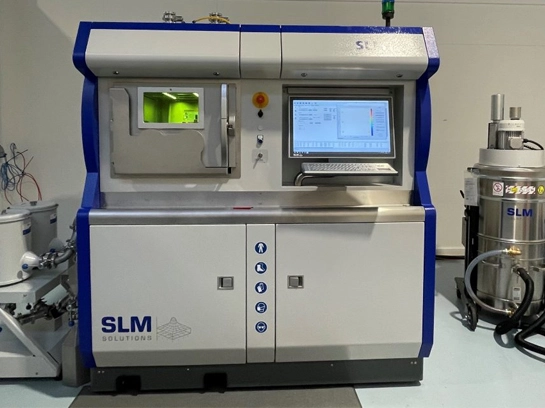
Custom rapid prototyping, also known as 3D printing, is a manufacturing technique that creates three-dimensional objects by layering materials. It enables designers to turn their digital designs into physical prototypes quickly and accurately. Using specialized software, designers can create intricate and complex designs that were once challenging to achieve with traditional manufacturing methods. Custom rapid prototyping has become a game-changer in the world of fashion design, allowing designers to experiment with new styles and materials more efficiently.
Advantages of Custom Rapid Prototyping in Fashion Design
Custom prototyping services offer several advantages for fashion designers. Firstly, it allows for greater design freedom. Designers can easily modify and refine their designs without the limitations of traditional manufacturing techniques. This flexibility enables them to push the boundaries of creativity and explore new possibilities in garment construction.
Secondly, custom rapid prototyping significantly reduces costs associated with traditional manufacturing processes. With 3D printing, designers can avoid expensive molds or cutting dies, saving both time and money. Additionally, the ability to create prototypes quickly and iterate on designs before final production reduces the risk of costly mistakes.
Shortening the Time to Market with Custom Rapid Prototyping
In the fast-paced world of fashion, timing is critical. Custom rapid prototyping allows designers to speed up the production process, ultimately shortening the time it takes for garments to make it to the market. With traditional manufacturing, production timelines can be lengthy due to the time-consuming process of creating molds and waiting for samples. By utilizing custom rapid prototyping, prototype manufacturing companies can iterate designs rapidly, making adjustments in real-time, and reducing time delays.
By embracing custom rapid prototyping, fashion brands can quickly respond to ever-changing consumer demands and stay ahead of their competition. This technology enables them to bring new designs to the market faster, capitalizing on the latest trends and maximizing sales potential.
Embracing Custom Rapid Prototyping for Better Designs
Custom rapid prototyping in fashion design not only speeds up the production process but also enhances the overall quality of designs. Designers can experiment with different materials, textures, and patterns, exploring innovative combinations that were once difficult to achieve. 3D printing allows for intricate detailing and precision, resulting in garments that are impeccably tailored and visually striking.
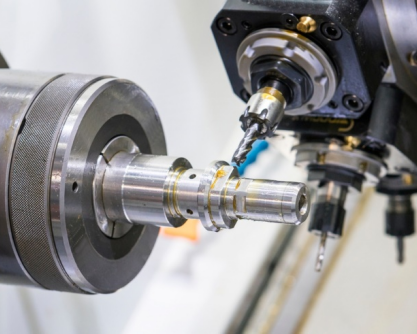
Moreover, custom rapid prototyping such as cnc 4-axis machining services promotes sustainability in the fashion industry. By producing garments on-demand and reducing the amount of wasted materials, designers can minimize their environmental impact. This shift towards more sustainable practices aligns with the growing demand for eco-conscious fashion and consumers' desire to support brands with ethical production methods.
Custom rapid prototyping has revolutionized the fashion design process, offering designers increased creative freedom, shorter time to market, and better designs. This technology has become a valuable tool for fashion brands looking to stay competitive in the fast-paced industry. As the fashion world continues to evolve, custom rapid prototyping will undoubtedly play an even more significant role in shaping the future of style.
References
Related Prototyping Manufacturing Services News
- Custom Prototyping Services: The Key Bridge of Product DevelopmentJune 14, 2024In the journey of product development, prototyping occupies a crucial position. It is not only a bridge between design and actual manufacturing but also the first step in turning creativity into reali...view
- The Role of Prototyping ServicesMarch 19, 2024Prototyping services play a pivotal role in modern manufacturing. It is not only a bridge between product design and production, but also a key force to promote product innovation and optimization. Fa...view
- Microelectronics Marvels: High Precision Tools in the World of Semiconductor ManufacturingJanuary 5, 2024In today's digital age, microelectronics play an increasingly significant role in shaping our technological landscape. From smartphones and laptops to medical devices and self-driving cars, these ...view
- Efficiency Redefined: The Impact of High Precision Tools in IndustriesJanuary 5, 2024In the ever-evolving landscape of industrial manufacturing, the pursuit of efficiency is paramount, and at the core of this quest lies the transformative impact of high precision tools. These sophisti...view
- What Are The Characteristics Of Precision CNC MachiningFebruary 27, 2023First, precision CNC machining process is concentratedCNC machine tools generally with automatic tool changer, tool magazine, tool change process automatically controlled by the program, therefore, th...view
- Customized Prototyping in Aerospace InnovationMarch 19, 2024In aerospace, every technological innovation and breakthrough marks a step into the unknown. Ripple MFG, as a leader in this field, has injected new vitality into the development of the aerospac...view